I still remember my days volunteering at the local community center. Every Tuesday night was Bingo night, and the room was filled with the distinct sound of paper markers hitting cards and the low, steady murmur of neighbors catching up. It wasn’t about winning a massive jackpot; it was about the ritual, the simplicity, and the communal warmth. Fast forward twelve years, and I’ve spent my career writing about the gaming industry for outlets like Nerdbot, watching how the landscape of digital play has shifted. Today, we find ourselves at an interesting crossroads: why are we increasingly turning away from the exhausting, sprawling landscapes of "AAA" open-world titles in favor of simple games?
The Cognitive Burden of the Open World
When you boot up a modern open-world game, you are often greeted with a screen cluttered with icons, objectives, skill trees, and a narrative urgency that demands your immediate attention. It feels less like a hobby and more like a second job. In the industry, we talk about "cognitive load"—the amount of brainpower required to navigate a system.
Open-world games excel at immersion, but they also excel at decision fatigue. You are constantly choosing: Which quest do I prioritize? Should I craft this armor or save resources? Is my inventory full? For someone coming home from a long day of work, the last thing the brain wants to do is manage another complex project. This is where low commitment games shine. They provide the dopamine hit of achievement without the administrative headache of a thousand micro-choices.
Cozy Casual Gaming: A Digital Sanctuary
There is a quiet revolution happening in the world of cozy casual gaming. It’s a design philosophy that prioritizes player agency and comfort over stress and competition. These games aren't designed to be conquered; they are designed to be inhabited.
When we look at the success of indie mobile titles, we see a focus on repetitive, satisfying loops—gardening, sorting, or simple puzzle-solving. These games function as a "digital fidget spinner" for https://bizzmarkblog.com/bingo-is-it-a-relic-of-the-past-or-a-cornerstone-of-modern-gaming-culture/ the mind. They allow us to enter a flow state without the pressure of a ticking clock or a high-stakes boss battle. When you engage with these titles on your mobile devices and smartphones, you aren't fighting the game; you are collaborating with it.
The Evolution of Bingo: From Community Halls to Apps
If you want to see how this transition from complex to simple has played out in real-time, look no further than the history of Bingo. Years ago, the BBC documented the decline of the traditional physical bingo hall, noting how the social fabric of these spaces was fraying. But Bingo didn't die; it migrated.
Platforms like MrQ have successfully captured the essence of what made those community center nights special and distilled them into a mobile-first experience. By stripping away the logistical hurdles of traveling to a hall and waiting for specific hours, these apps have reclaimed the game as a casual, accessible pastime. It’s the perfect example of why simplicity wins: it removes the barrier to entry while retaining the core joy of the activity.
The Power of Short Sessions
Modern life is fragmented. We exist in a state of "micro-moments"—the ten minutes while the pasta boils, the commute on the train, or the quiet moment before bed. Open-world games often require long, uninterrupted "sunk cost" sessions to make any meaningful progress. Conversely, simple games are built for these micro-moments.
Mobile-first habits have fundamentally changed the "rhythm" of our play. We no longer look for an eight-hour epic; we look for a five-minute escape. This is the cornerstone of low commitment games: they respect the player's time. You can pick them up, find joy in a small accomplishment, and put them down without feeling like you’ve left a mission unfinished.
Comparing the Gaming Experience: A Breakdown
To better understand the shift, let’s look at how these two categories stack up against one another in terms of player experience:
Feature Open World Games Simple/Casual Games Cognitive Load High (Complexity/Strategy) Low (Repetition/Relaxation) Time Commitment High (Long sessions required) Low (Session-based, flexible) Stress Level Variable (Often high) Consistent (Calming) Community Competitive/Asynchronous Collaborative/Social (Live Chat)Nostalgia and the Community Factor
Nostalgia is a potent driver for play. We are inherently drawn to things that remind us of simpler times. Whether it’s the pixel-art aesthetic of a farming sim or the familiar cadence of a digital Bingo game, there is something deeply comforting about recognizing the rules of a game instantly. We don't have to relearn how to play; we just have to experience it.
Furthermore, the modern implementation of live chat in casual gaming fills the void left by physical community centers. When you are playing a game on your smartphone, you aren't necessarily playing alone. The ability to interact with others in a low-pressure environment creates a sense of belonging. You’re sharing the space with others who, like you, just want to unwind for a bit. It’s that same "Bingo night" energy, just delivered through a screen.
Why We Need Simple Games Now More Than Ever
We are living through a playing bingo with coworkers period of peak digital noise. Between social media, constant notifications, and the expectation of hyper-productivity, our brains are perpetually fried. Cozy casual gaming provides a much-needed counter-narrative. These games act as an emotional regulator.

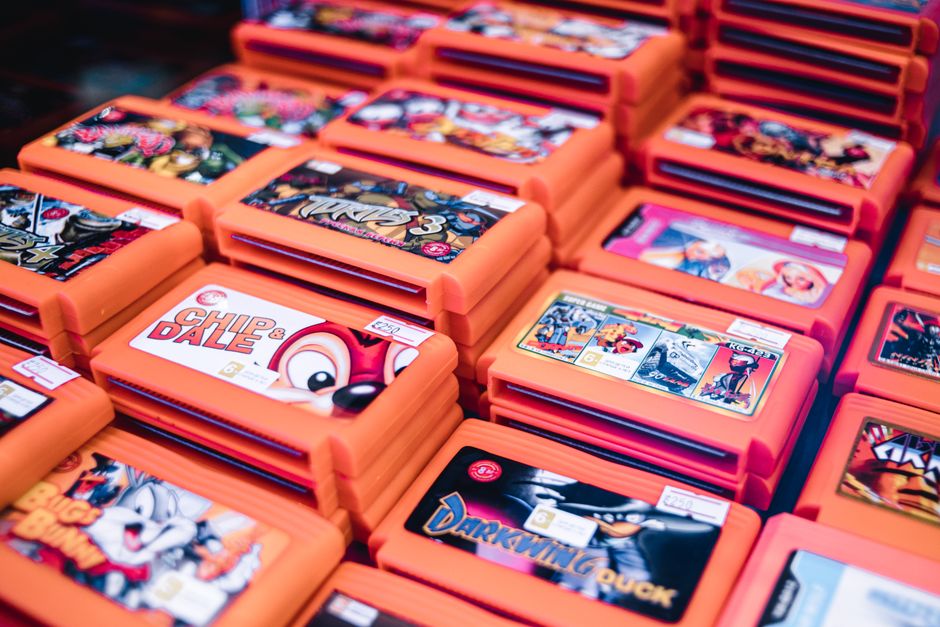
When I talk to developers and gamers today, the sentiment is almost universal: "I just want to have fun without being stressed." That is the golden ticket. By removing the friction, the high stakes, and the endless menus of big-budget games, simple titles allow us to reclaim play for what it was always meant to be: a way to step away from the world for a while, not a way to add more to our to-do list.
Final Thoughts
Big-budget, open-world games will always have their place. They are technological marvels that push the boundaries of what is possible in interactive media. But we shouldn’t confuse technical complexity with the quality of the experience. Sometimes, the most meaningful gaming experiences aren't the ones that demand a hundred hours of our lives, but the ones that make a single ten-minute break feel like a vacation.
Whether you're dabbing numbers on a digital card or planting virtual seeds in a tiny garden, remember that you’re doing something healthy: you’re taking a moment for yourself. In a world that demands everything, low commitment games give you the gift of letting go.