Walking into a brewery these days, the aroma that hits you might not be solely from the hops and malt but from the sizzling delights coming off food trucks parked just outside or the kitchen just around the corner. Food has become as integral to the brewery experience as the beer itself. But why the shift toward food-focused taprooms and what does it mean for the modern craft beer scene?
Taprooms as Social Destinations
In the early days of craft beer, breweries were primarily about one thing: the product on tap. People came, ordered a pour, maybe chatted about the beer, and then left. Today, taprooms have transformed into full-fledged social destinations. The layout matters just as much as the lineup now. Seating arrangements are designed to encourage mingling, long conversations, and group gatherings.
Food trucks and kitchens help keep patrons on-site longer. When people show up hungry or decide to stay for dinner, the brewery becomes a natural gathering spot rather than just a quick stop. This ties directly to the core of social nightlife: food is the social glue https://highstylife.com/how-to-talk-to-strangers-at-a-taproom-without-being-weird/ that works alongside beer.
How Food Influences Stay Time
- Encourages longer visits: A hungry crowd is a fleeting crowd. Food trucks or kitchen options invite guests to linger as meals are enjoyed. Facilitates group outings: It’s easier to bring friends along when there’s reliable food they know will suit a variety of tastes. Complements beer: Pairing food with specific beer styles enhances the overall tasting experience, making patrons appreciate the depth of the brewery’s offerings.
Events as Repeat-Visit Drivers
One thing I kept notes on managing taprooms was how events pulled in crowds repeatedly. Trivia nights, weekend bands, and food specials bring people back week after week. The food component in these events isn’t incidental—it’s a big part of their success.
Consider the food truck that shows up every Friday with a specialized menu calibrated to the brewery’s beers. This isn’t just about feeding people; it’s about creating a reliable event anchor. Trivia nights paired with themed food menus or weekend brunch offerings add layers of interest beyond just drinking.
Events that Work Hand in Hand With Food
Trivia Nights: Guests come to play but stay because they can eat well without leaving or sacrificing social interaction. Live Music: Bands draw the crowd, but food trucks make sure the vibe lasts through dinner hours. Seasonal Pairing Dinners: Breweries host pairing dinners that expertly match courses with their beers, turning casual visitors into regulars.Analog Games as Social Glue
While smartphones have their place, breweries that invest in analog games—cornhole, giant Jenga, board games—offer a physical and interactive way to socialize. These games serve as social facilitators that get people talking and laughing, often around a shared plate of food.

When pairing food and games, the entire experience feels curated rather than random. It’s about creating a vibe where interaction is easy, eating is satisfying, and drinking is PayPal on mobile enhanced by the company. The best taprooms blend the casualness of drop-in dining and drinking with intentional social spaces anchored by these familiar games.
Why Analog Games Still Matter Despite Smartphone Access
- Promotes face-to-face interaction: Tabletops aren’t just for phones; they’re for dice, cards, and cracking jokes. Keeps the mood light: Games prevent the social awkwardness of staring at screens in a public place. Pairs well with food: Games foster a relaxed, communal atmosphere where sharing food feels natural and enjoyable.
Smartphones as Downtime Entertainment
It’d be naïve to ignore the role smartphones play in today’s brewery scene. With smartphone access so ubiquitous, patrons often use their devices for downtime moments—looking up beer details, snapping pictures, or checking event schedules. But phones aren’t the “enemy” of socializing; they’re part of it when integrated thoughtfully.
For example, some breweries incorporate mobile deposit casino-style games where guests can scan QR codes to play or earn rewards while waiting for food or drinks. These applications provide brief entertainment that keeps people engaged without overwhelming interpersonal socialization.
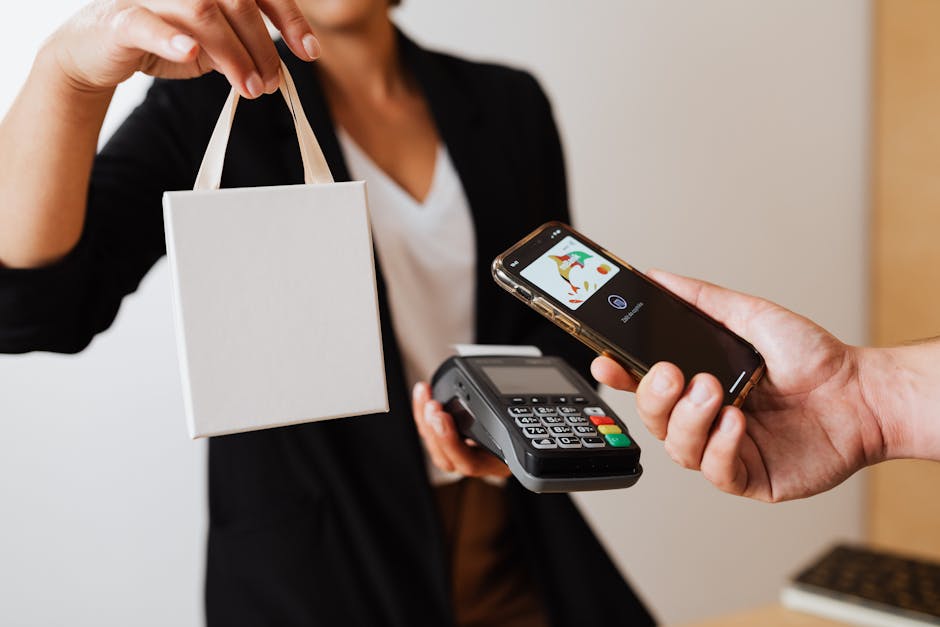
Smartphones also streamline ordering processes in some venues, allowing guests to order food trucks’ offerings via apps that deliver directly to their tables. This reduces the friction of lining up and maximizes time spent at the table enjoying brews perfectly paired with their meals.
Food Trucks: The Flexible Flavor Engines
Food trucks have become indispensable because they offer:
- Variety: Different cuisines and styles rotating regularly offer patrons exciting new reasons to revisit. Agility: Breweries can test food concepts without committing to a full kitchen. Community tie-ins: Local food vendors bolster the neighborhood vibe and appeal to hyper-local patronage.
These trucks often work closely with brewers to create pairing menus or suggest food and beer combinations, adding deliberate value to the overall experience. This pairing knowledge elevates the visit from casual drinking to a culinary event with drink thoughtfully integrated.
Why Breweries Invest in Staying “Food Friendly”
Increased revenue per customer: Food sales contribute a significant margin beyond the beers alone. Reduces turnover rates: Guests staying longer means a more lively atmosphere and less pressure on seating. Brand differentiation: Food-forward taprooms stand out in a crowded market. Expanded audience: Non-beer drinkers or casual diners are more likely to visit with robust food options.Final Thoughts
The modern brewery is more than a place to drink craft beer—it’s an all-encompassing social destination. Food trucks, thoughtful seating layouts, social games, and the smart use of technology combine to create an environment where people want to stay for dinner, laugh over a game, and engage fully with the community.
Food at breweries isn’t just about satisfying hunger; it’s a deliberate tool to deepen social connection, encourage repeat visits, and enhance how the craft beer experience is enjoyed. The rise of food trucks and pairing menus reflects a broader cultural demand: people want places that welcome them not just as drinkers but as guests to savor a full night out.