In our modern, hyper-connected world, finding calm can often feel like chasing a mirage. With my phone buzzing in my pocket, an inbox that never quite empties, and the constant pull of notifications demanding attention, truly switching off has become a lost art. Yet, when I step outside—especially along Northern Ireland's rugged coastline—the familiar tension dissolves, replaced by a deep-rooted sense of peace that no digital detox app quite matches. Why does nature calm me down faster than staying indoors? And how can we reclaim this precious serenity through intentional habits?
The Lost Skill of Switching Off
Our contemporary lifestyle encourages a near-constant state of 'on'. Phones ping with emails, messages, and social updates. The idea of "just relaxing" at home is often undermined by the nagging urge to check that inbox or scroll through social media. This incessant engagement fragments our attention, leaving little room for genuine mental rest.
I often reflect on how, growing up near Belfast Lough, switching off came naturally. Evenings were filled with simple, grounding routines—making tea before sunset, gazing out at the waves, feeling the bite of the coastal air. These weren't grand rituals but quiet micro-rituals that marked the transition from busy day to restful evening.
Why Switching Off Is Hard Now
- Digital Overload: Notifications interrupt thoughts and fragment attention. Work Infiltrates Home: Emails and work apps blur boundaries. FOMO (Fear of Missing Out): The urge to stay updated keeps us tethered to screens.
All these factors erode our ability to switch off, making it harder to find calm indoors.
Digital Boundaries and Attention
Drawing clear lines around digital use is essential to reclaiming calm. I've adopted a strict no-phone-on-walks rule—not just to avoid distraction, but because I want to be present, noticing the changing wind direction and how it shifts the sea's mood. The sea breeze, salty and fresh, is a tactile anchor, grounding me far better than any app's mindfulness reminder.
Consider how digital tools affect your attention:
Digital Tool Effect on Attention How to Set Boundaries Phone Notifications Fragment concentration, induce stress. Turn off non-essential notifications during downtime. Email Inbox Creates a sense of obligation and perpetual urgency. Set specific times to check emails rather than constant monitoring. Scrolling Social Media Encourages passive consumption, reduces present-moment awareness. Limit use to intentional moments; use screen-time apps judiciously.By honouring these boundaries, https://bangorni.com/guide-to-unwinding-in-northern-ireland/ we protect our attention, making space for more restorative, mindful experiences such as coastal walks.
Coastal Calm in Northern Ireland
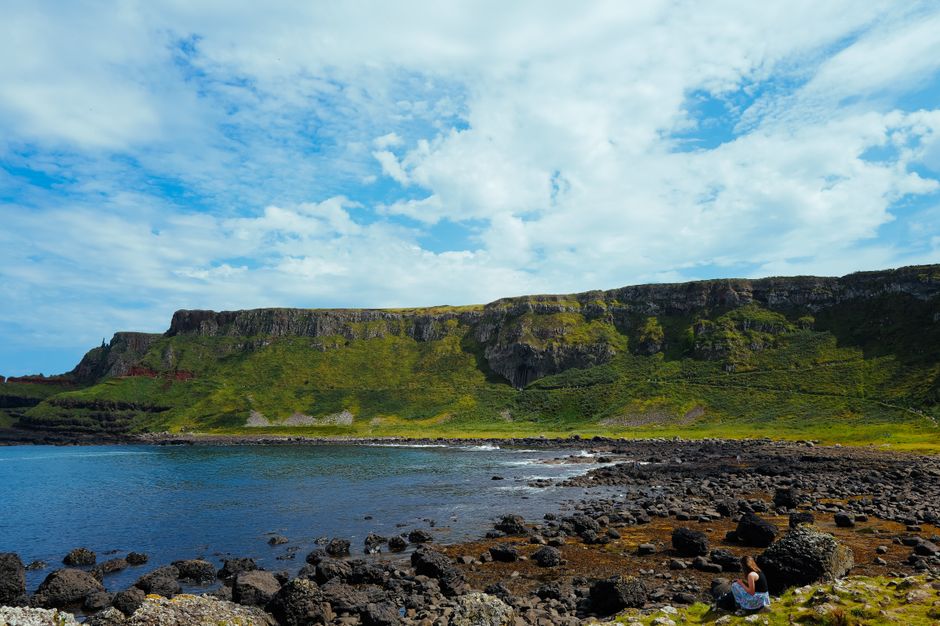
There's something particularly soothing about Northern Ireland's coastline. From the haunting cliffs of the Causeway Coast to quieter spots along the Ards Peninsula, the coastal air carries a therapeutic quality. The combination of fresh, salty breeze, natural sounds of waves, and wide-open horizons nurtures a slow unravelling of stress.
When I walk along the seafront in Bangor after work, this coastal calm works its magic faster than any indoor relaxation strategy. The elements engage all senses:

Unlike confined, often cluttered indoor spaces, the beach offers a sensory reset, allowing genuine restoration of energy and calm.
The Science Behind Coastal Calm
Scientific studies back up what coastal walkers know intuitively. Exposure to natural environments, particularly blue spaces like oceans, promotes:
- Lower blood pressure and heart rate Reduced cortisol (stress hormone) levels Enhanced mood and decreased feelings of anxiety Improved focus and cognitive function
These effects are harder to replicate indoors where digital demands and artificial environments dominate.
Slow Living as Daily Habits
Choosing to live slowly within a busy world means cultivating daily habits rooted in presence and intentional pacing. It doesn't require abandoning technology or work, but rather integrating nature's rhythms into our routines.
Ideas to Cultivate Slow Living and Boost Nature Calm
Daily Micro-Rituals: Embrace small repeated actions, like making tea just before sunset or pausing to listen to the sea's sound in a quiet moment. Walk Without Devices: Commit to phone-free walks—even short ones—to observe surroundings and reset attention. Set Digital Boundaries: Define work and rest hours to guard your mental space. Engage Senses Outdoors: Notice wind, smells, textures, sounds, and sights during nature time, cultivating sensory awareness. Bring Slow Inside: Incorporate natural elements indoors—plants, open windows with fresh air, natural light—to simulate calming environments.Slow living fosters resilience against stress by aligning us more closely with the calming cycles of nature, especially valuable in coastal Northern Ireland.
Conclusion: Why Nature Wins Every Time
Indoors, surrounded by screens and the urge to multitask, calm remains elusive. The persistent pull of notifications and the growing inbox make true rest a challenge. Yet, a simple walk by the sea, breaths of coastal air, and the attentive noticing of natural detail offers a rapid, tangible stress relief.
Nature calms not because it is a soothing backdrop but because it reconnects us with rhythms and sensations hardwired into our wellbeing. The lost skill of switching off begins to return when we choose to step outside deliberately, set digital boundaries, and embrace slow living as more than just a weekend luxury.
In Northern Ireland's coastal air, far from the digital noise, calm comes quickly—and that is a gift well worth pursuing.