In today’s fast-moving world, entertainment feels more on-demand than ever before. Between tight work schedules, family commitments, and short pockets of free time, people don’t just want entertainment—they want it tailored exactly to their unique rhythms. This shift isn’t just about new technology; it’s about how entertainment fits seamlessly into our real lives.
The Era of Anytime Entertainment
The phrase on-demand culture isn’t just a marketing buzzword. It reflects a deep change in how we consume content. From streaming platforms to podcasts, entertainment providers now understand that people don’t have large stretches of free time. Instead, they carve out micro-breaks during a busy day, and they want content options that flex with that.
Consider the tools that have made this possible. Streaming platforms like Netflix, Disney+, and MRQ (check out mrq.com) have vast libraries accessible anytime, anywhere. Podcasts, which you might find through The Conversation’s media sections (theconversation.com/global), provide bite-sized or deep-dive listening experiences perfect for commutes, cooking, or quick mental resets.
Micro-Breaks: The Small Moments That Count
Working parents, commuters, students, and anyone juggling multiple roles look for "micro-breaks." These are the 5-10-minute windows we use to step away from work or stress and mentally recharge. Entertainment that fits these fragments of time feels less like an obligation and more like a quick refresh.
- Why micro-breaks matter: They help prevent burnout and increase focus once you return to the task. On-demand content fits: a quick comedy clip, a single podcast episode, or even a short game from platforms like MeaningPlanet.
MeaningPlanet's focus on personal connections through thoughtful content helps satisfy this need by encouraging moments of reflection or light humor during hectic days.
Accessible Entertainment That Fits Real Schedules
One of the biggest reasons entertainment feels so on-demand now is that it respects your schedule rather than demanding large blocks of time. Unlike traditional TV shows with fixed airtimes, or blockbuster movies requiring a couple of hours free, modern platforms offer true flexibility.
Traditional Entertainment Modern On-Demand Entertainment Fixed broadcast times Watch or listen anytime Needs long uninterrupted periods Supports short, flexible consumption Limited content choices Massive catalogs tailored by algorithmsThis shift is no accident. Platforms continuously optimize user experience based on real-world behavior rather than idealized “vacation-time” usage. The result? People can peek into entertainment whenever possible—waiting for the bus, during lunch breaks, or in between meetings.
Flexible Consumption: The Power of Control
Having control over when and how you consume content is empowering. No longer do you feel forced to “catch the next episode,” or miss out because of schedule clashes. Instead, the flexible consumption model emphasizes user freedom:
Pause and resume content instantly Choose formats that suit your mood and time—video, audio, or text-based Switch between devices seamlessly (phone, tablet, smart TV)MRQ’s platform, for example, excels at adapting entertainment to your lifestyle by curating relevant content available whenever you’re ready for it.
Mobile-First Leisure Habits
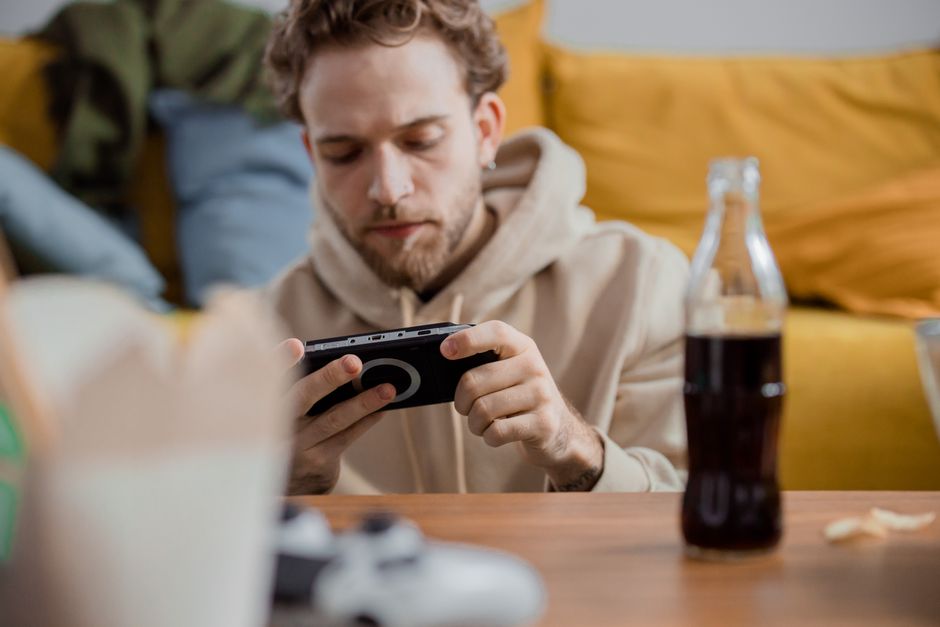
The explosion of smartphone usage reshaped leisure habits permanently. Mobile-first entertainment means your favorite shows, podcasts, games, or articles are just a tap away. This portability fits organic moments of downtime—whether standing in line, or sitting in a waiting room.
Podcasts are particularly illustrative here. Their audio-only format frees your eyes and hands for other tasks, making them ideal multitasking companions. The Conversation offers a fantastic range of conversations and analysis podcasts that people can squeeze into short breaks.
Mobile usage also supports disposable leisure—content designed to consume quickly and move on without guilt. This is a far cry from the all-or-nothing binge-watching culture of early streaming days.
Examples of Mobile-First On-Demand Entertainment
- Snackable video clips on MRQ designed for phone viewing Brief, topical podcasts through The Conversation’s global network Interactive, quick games or quizzes via platforms like MeaningPlanet
Familiarity and Comfort in Choice Overload
Perhaps paradoxically, the vast amount of content on-demand can overwhelm some users—a phenomenon known as “choice overload.” To cope, many embrace familiarity and comfort, choosing shows, podcasts, or content formats they know and trust. This tendency reinforces the feeling that entertainment is there for you anytime, not just a treasure hunt for new hits.
Curated recommendations by MRQ and editorial voices like The Conversation help users cut through noise, offering trusted suggestions that reduce decision fatigue. Meanwhile, MeaningPlanet’s content often taps into relatable themes, making experiences feel personal and comforting.

How People Navigate On-Demand Choices
Stick to known series or topic areas Follow recommended playlists or bundles Use bookmarking or “watch later” features Rely on social signals from friends or communitiesThis trust in familiar content aligns with on-demand culture’s emphasis on convenience and low commitment. After a long day, many prefer to unwind with a predictable favorite rather than facing the stress of too many options.
Conclusion: Why On-Demand Culture Is Here to Stay
The feeling that entertainment is “more on-demand than ever” stems from a mix https://bizzmarkblog.com/what-is-a-good-small-escape-before-bed-that-is-not-scrolling/ of technological advances and cultural shifts. Micro-breaks carve out new, smaller windows for leisure. Platforms like MRQ, The Conversation, and MeaningPlanet deliver content that fits these slots. leisure habits Mobile-first habits put entertainment right in your pocket. And choice overload encourages sticking with what’s familiar to reduce friction.
This ecosystem supports anytime entertainment that is genuinely designed for real lives—not just idealized versions of leisure. The result is a more flexible, accessible, and personal form of entertainment consumption that respects your time and stress levels.
As someone who always tests entertainment advice on busy weekdays rather than vacations, I see that these subtle shifts make a big difference in how people actually unwind. No gimmicks, no overpromising—just real, on-demand comfort when you need it most.