If you’ve ever lurked in a fan forum or joined a streaming chat after the finale of a beloved TV show, you’ve witnessed something remarkable: the community keeps humming. Even when the story is “over,” the fans stick around. Why does that happen? What keeps people tethered to something that has technically ended?
Let’s unpack this phenomenon of community retention in the world of fandoms, especially post show fandom. We'll explore how social bonds, mediated through tools like social platforms and streaming services, play a huge role in this ongoing connection.
1. Nostalgia as Emotional Connection and Comfort
Think about a fan forum thread that resurfaces once a year, full of people reminiscing about an old show. The posts aren’t just about plot points—they're about memories, feelings, and shared experiences. Nostalgia isn’t just a longing for the past; it’s an emotional glue that binds people to the community.
This emotional connection provides comfort. In a world where most things feel fleeting, returning to a familiar show’s community offers a steady heartbeat. The stories, characters, and inside jokes act like an emotional anchor.
Real-life scenario:
After the finale of a widely popular sci-fi series, fans gather on Reddit to share fan art, write fanfiction, or simply post screenshots of their favorite scenes. Even though the show is new episodes are done, the nostalgia prompts a “family reunion” vibe every week or month. This steady rhythm creates a comforting habit.
2. Familiarity and Continuity in a Fast-Changing Digital World
The internet moves fast. Shows come and go, new streaming platforms launch, and social trends change overnight. Amidst this chaos, the ongoing community around a concluded show offers something rare: familiarity and continuity.
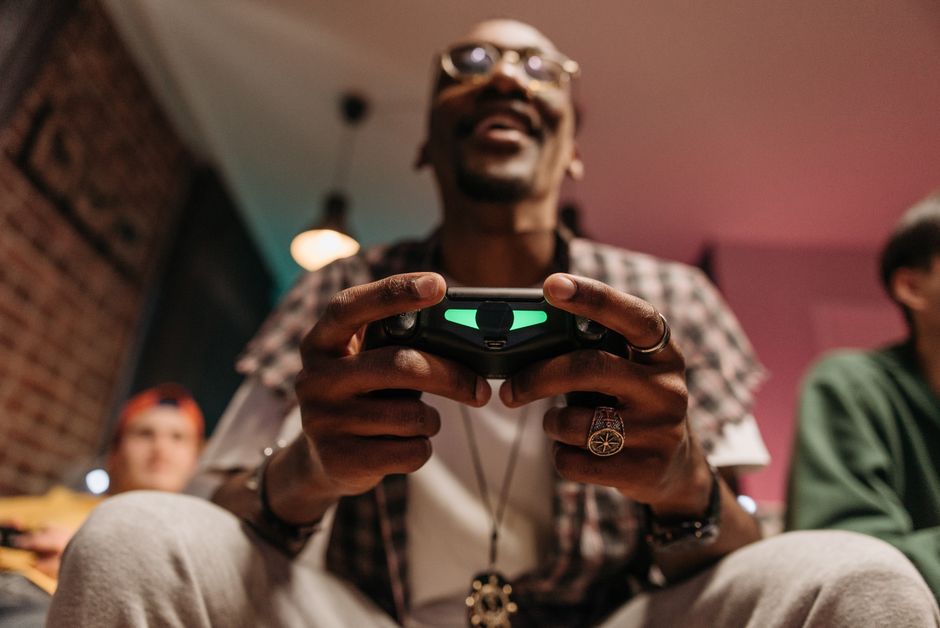
When platforms like Discord, Facebook Groups, or Tumblr host these communities, fans don’t have to reinvent their social spaces every time the latest trend pops up. The community acts as a “digital living room,” a consistent corner of the internet where the tone, language, and interactions feel known.
Real-life scenario:
Imagine a Twitch stream dedicated to watching and discussing episodes of a show. After the series concludes, the streamer shifts focus to analyzing fan theories or reminiscing about key moments in between other content. The chat community stays involved because the social space feels familiar and continuous, even if the primary “content” has changed.
3. Interactivity Turning Audiences into Participants
Back in the day, fandoms were mostly passive: watch, read, discuss. Today’s digital tools have flipped this dynamic. Social platforms and streaming services empower fans to become active participants, not just observers.

- Social media polls and challenges: Fans vote on favorite characters or propose new story ideas. Fan art and fanfiction: Creative outlets hosted on platforms like Tumblr or Instagram keep the story worlds alive. Live chats and watch parties: Post-show episodes become a playground for live debates and reactions.
Because community members contribute and co-create, their emotional investment deepens. They’re not just remembering the show—they’re expanding its universe in their own ways.
Real-life scenario:
A streaming service hosts a “Rewatch Week” event with interactive Q&A sessions, polls for favorite episodes, and an exclusive virtual meet-up with creators. Fans engage in these activities and stay connected because the community now feels like a collaboration, not a one-way street.
4. Engagement and Retention Through Choice and Contribution
People don’t just want to be part of a crowd; they want to matter. Communities that enable fans to choose how and when they engage retain members better. Post-show fandom thrives when people feel their contributions shape the culture.
This is a simple contrast: passive viewers vs active contributors. The latter stick around because they’re invested in the community’s ongoing life.
Passive Fandom Active Post-Show Community Watch episodes and discuss Create fan theory videos, organize livestream events Consume content individually Collaborate on fan projects or charity streams Leave after finale Keep the conversation alive through anniversaries, spin-offsThis kind of engagement makes the community feel like a living organism—one where fans have a stake in keeping the vibe going, even if there’s no new official episode on the horizon.
Conclusion: The Power of Shared Human Connection Beyond the Screen
At its core, the question of why people stay in a community even after the show ends isn’t about the show at all. It’s about people. About the friendships formed, the collective emotions shared, and the shared cultural space that feels like “home.”
Social platforms and streaming services have turbocharged this by giving fans tools stripesblog.com to connect and contribute in active, ongoing ways. Nostalgia nourishes the emotional roots; familiarity provides a safe space; interactivity transforms audiences into creators; and choice fosters deep engagement.
So the next time you see a post-show forum thread buzzing or a streaming chat going strong months or years after the finale, remember: these aren’t just fans clinging to the past. They’re a community, thriving through shared connection.