Back in my days as a community center events volunteer, my Friday nights were defined by the rhythmic clatter of plastic bingo balls and the expectant silence of a room filled with retirees and local families. There was something undeniably profound about those sessions. Whether you won or lost, the game felt honest. If your number came up, you grabbed the prize. If it didn't, you waited for the next round. There were no hidden algorithms, no micro-transactions to buy an extra set of winning numbers, and—most importantly—there was no confusion about the rules.
Over the last 12 years, I’ve tracked the seismic shift from those physical community halls to the digital landscapes we inhabit on our mobile devices and smartphones. While the technology has improved, the sense of "fairness" has become an increasingly debated topic. Why is it that when we go back to retro titles or classic formats like Bingo, we feel a deeper sense of player trust than we do with many modern, multi-million dollar productions? The answer lies in the intersection of clear rules, simple mechanics, and the human need for predictable joy.
The Golden Rule of Simplicity
In game design, there is a concept often discussed in tech-culture circles (frequently highlighted by sites like Nerdbot) that focuses on "The Complexity Tax." When developers add layers of systems—crafting, loot boxes, battle passes, daily login rewards, and skill-tree gating—they aren't just adding content; they are adding friction.
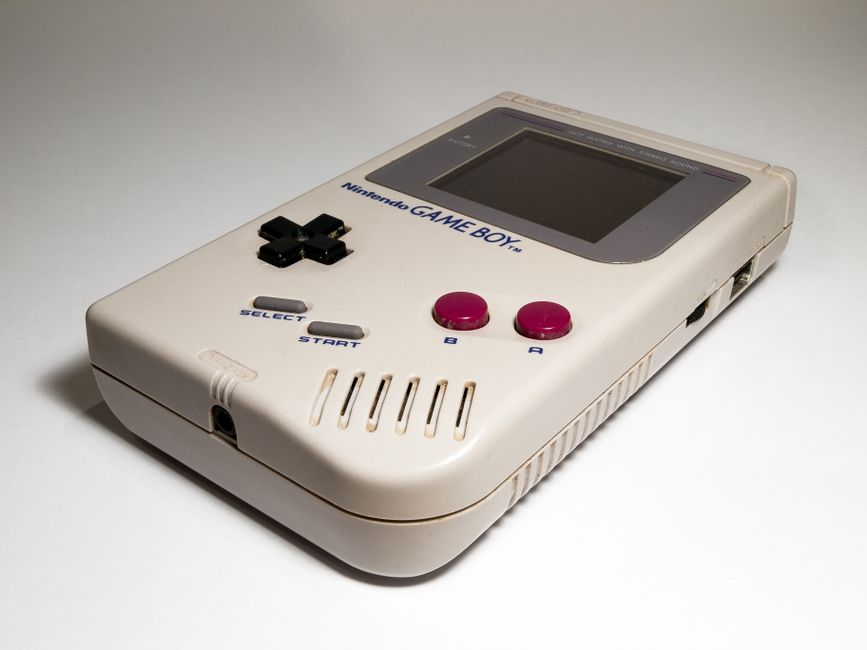
Classic games operated on the principle of accessibility. You could pick up a controller (or a bingo dauber) and within thirty seconds, understand exactly what you needed to do to succeed. Simple mechanics meant that your success was tied directly to your skill or your luck, rather than your ability to navigate a convoluted UI.
Feature Classic Games Modern Games Rules Transparent/Constant Dynamic/Ever-changing Motivation Intrinsic (Fun/Competition) Extrinsic (Rewards/FOMO) Mechanics Focused/Tight Broad/Bloated Transparency High Often Obfuscated by AlgorithmsBingo’s Evolution: From the Hall to the App
I remember when the shift to mobile gaming really took off for the older crowds I used to serve. It was a massive leap for them to move from physical cards to tablet screens. However, platforms like MrQ revolutionized this experience by keeping the core heart of the game intact while leveraging the convenience of the digital space.
The beauty of modern Bingo apps is that they didn't try to reinvent the wheel. They maintained the clear rules that made the game a staple for decades. Unlike some modern "freemium" games that try to disguise slot-machine mechanics as gameplay, digital bingo keeps the stakes visible and the outcomes random in a way that feels traditional. By incorporating live chat features, these apps recaptured that community center vibe I once curated, allowing players to celebrate wins or commiserate losses in real-time, just as they would across a physical table.
The Power of Nostalgia as a Gameplay Driver
There is a prevailing myth that nostalgia is just "looking back with rose-colored glasses." However, as seen in various BBC retrospectives on gaming culture, nostalgia is actually a functional driver for modern play. We aren't just missing the games themselves; we are missing the *way* we played them.
We miss the lack of "Live Service" interruptions. We miss the feeling of a finished product. When you play a classic game, you are engaging with a work that is complete. Here's a story that illustrates this perfectly: was shocked by the final bill.. In contrast, modern games are often in a state of constant flux—patched, nerfed, and buffed until the game you play in December is unrecognizable from the one you bought in September. This shifting landscape undermines player trust because the game you "mastered" last week might be fundamentally altered by a developer's spreadsheet update this week.
nerdbot.comThe "Session-First" Mindset
Our mobile-first habits have dictated a need for shorter, more impactful gaming sessions. When you only have ten minutes while waiting for the bus or a quick break at work, you don't want to spend five of those minutes navigating sub-menus, closing pop-up ads, or waiting for a massive patch to download.
- Accessibility: Classic games respect the player’s time by starting immediately. Predictability: You know what to expect when you boot up a classic game. Psychological Safety: You don't feel like you are being "gamed" by an algorithm designed to manipulate your spending habits.
Why "Fairness" Equals Trust
Why do we call these games "fair"? Because fairness is defined by transparency. In a game with simple mechanics, the causal relationship between your actions and the outcome is evident. If you miss a jump in an old platformer, you know exactly why you missed it. If you lose a hand in a digital card game, you can see the card that beat you.
When games become overly complex, the "fairness" is hidden behind a curtain of obfuscated code. Is the game losing because I played poorly, or because the game’s "Dynamic Difficulty Adjustment" (DDA) decided it was time for me to lose so I would feel the urge to purchase a power-up? That question creates a lingering anxiety that classic games never possessed.
The Future: Can Modern Games Learn?
The gaming industry is reaching a saturation point. As players become increasingly savvy about how they are being targeted by predatory engagement tactics, we are seeing a resurgence of interest in "honest" design. We see it in the indie game scene, where developers are stripping away the bloat to focus on pure, mechanical fun. We see it in the loyalty that players show to platforms that treat their time with respect.
Three Pillars of Sustainable Game Design
Clarity: Never hide the mechanics. Ensure the player knows the odds and the rules. Completion: Ship a game that feels finished. Avoid the "infinite patch" trap. Community: Facilitate genuine interaction (through tools like live chat) rather than using social features as a way to pressure players into spending.Reflecting on the Community Center Spirit
Thinking back to those nights in the community center, I realize that the bingo games weren't just about the cash prizes or the small trinkets we gave away. They were about the shared experience of participating in a game where everyone was on equal footing. There were no "whales" in the room buying their way to a win; there were just neighbors, cards, and the anticipation of the next ball drop.
Modern gaming has arguably lost some of that egalitarian spirit, but it doesn't have to stay that way. By focusing on simple mechanics and fostering player trust, modern developers can bridge the gap between the chaotic, hyper-monetized landscape of today and the beloved, fair-playing experiences of the past. . Pretty simple.
Whether we are playing on the latest high-end console or our aging mobile devices and smartphones, we are ultimately looking for the same thing: an experience that makes us feel smart, skilled, and treated fairly. As someone who has spent over a decade watching this industry evolve, I believe the future of gaming isn't in adding more systems—it’s in stripping them away until we find the heart of the game underneath.

So, the next time you find yourself frustrated by a modern game that feels like it’s working against you, take a break. Load up something classic. Enjoy the simplicity. And remember: sometimes, the best games are the ones that don't try to be anything more than exactly what they are.