I’ve been writing for genre-focused communities for about 12 years now, and if there’s one thing that keeps me up at night—other than the relentless, screeching jump-scares of modern blockbusters—it’s the realization that we’ve lost the art of the pacing. We are constantly told to consume content, to keep our scrolling thumbs moving, and to demand instant payoff. But true sci-fi, the kind that digs into the gray matter and stays there for days, isn't about instant payoff. It’s about the atmosphere. It’s about the sound design that vibrates in your chest, and the cinematography that makes you forget you're looking at a screen.
That is why I’m looking back. Specifically, I’m looking back at 2014. If you’re looking to build a weekend watchlist that favors substance over explosions, you’ve come to the right place. Before we dive in, let’s establish the golden rule of the watch: Dim lights, phone away. If you’re checking your notifications while the credits roll, you aren't doing the film justice. Let these worlds breathe.
If you enjoy this curation, feel free to share it with your fellow enthusiasts:
- Share on Facebook Share on X (Twitter)
The 2014 Renaissance: Pacing, Mood, and Patience
In the landscape of best sci fi 2014, we saw a rare alignment of auteur-driven projects that didn't feel the need to hold the audience's hand. These films understood that the best sci-fi doesn't just show you a futuristic gadget; it asks what that gadget does to the human soul. Whether it's the crushing weight of time, the cold logic of artificial intelligence, or the terrifying uncertainty of identity, these movies reward patience. They aren't interested in the quick hit of a superhero punch-up; they are interested in the slow, inevitable creep of dread and wonder.
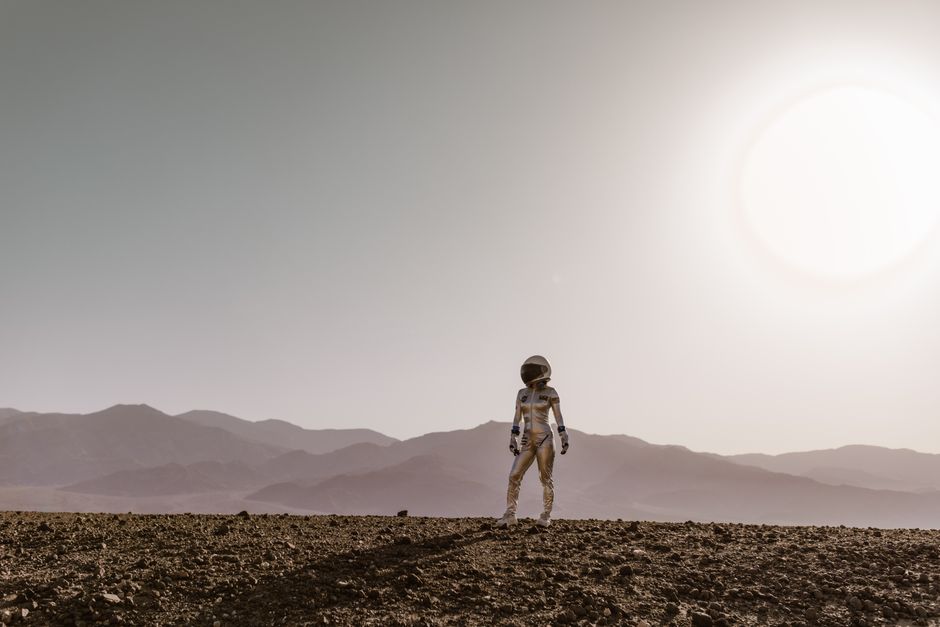
Interstellar 2014: The Symphony of Scale
We have to talk about Interstellar. Regardless of how you feel about its emotional heavy-handedness in the final act, the technical craft on display is peerless. Christopher Nolan and Hans Zimmer created a sonic landscape that remains the benchmark for modern space epics. When you watch it again—and you really should—pay attention to the silence. Not just the vacuum of space, but the gaps in the dialogue. Interstellar 2014 is a film about the physical toll of relativity, and the pacing reflects that. It forces you to sit with the loneliness of Cooper as he watches decades of his children’s lives pass by in a matter of hours. It’s devastating, it’s patient, and it’s arguably the most immersive film of that decade.
Ex Machina 2014: Claustrophobia as Narrative
If Interstellar is the canvas of the cosmos, Ex Machina 2014 is a microscope. Alex Garland’s debut feature is a masterclass in tension. The entire film takes place in a high-tech bunker that feels like a prison, regardless of how many glass walls there are. The pacing here is deliberate, almost agonizing, as we watch the power dynamic between Caleb, Nathan, and Ava shift. It’s a film that asks us what it means to be "human" in an age of algorithms. Note the sound design—it’s subtle, minimalist, and deeply unsettling. It doesn't use massive scores to tell you how to feel; it uses the hum of servers and the scratching of a pencil on paper.

Beyond the Blockbusters: The Hidden Gems
While the heavy hitters of 2014 get the headlines, the real gems for a rewatch are the ones that lean into the "low-budget, high-concept" ethos. These films are perfect for a quiet night in.
- Under the Skin: If you want an exercise in pure atmosphere, this is it. It’s a cold, alien, and hauntingly beautiful film. Mica Levi’s score is, quite simply, the best thing to happen to sci-fi sound design in years. It’s not for the impatient, but it is deeply rewarding. Coherence: Shot in just a few days, this film proves that you don't need a massive budget to tell a mind-bending story about identity and parallel realities. It thrives on the mood of paranoia. It’s a masterclass in "show, don't tell." Predestination: A film that embraces the paradoxes of time travel with total commitment. It’s twisty, yes, but it’s anchored by a genuinely melancholic performance from Ethan Hawke. It rewards you for paying attention to the details.
The Watchlist Breakdown
To https://scified.com/news/7-sci-films-pair-perfectly-relaxing-cbd-evening help you decide what to queue up for your next marathon, I’ve broken down these 2014 staples by their core strengths.
Film Title Core Theme Pacing Style Rewatch Value Interstellar Time & Love Epic / Measured High (Visuals) Ex Machina AI / Deception Tight / Claustrophobic High (Dialogue) Under the Skin Identity / Alienation Extremely Slow Burn High (Atmosphere) Coherence Reality / Paranoia Building Tension High (Hidden Clues) Predestination Time / Destiny Deliberate / Intricate High (The "Aha!" factor)Why Patience is a Virtue in Modern Cinema
We are constantly bombarded with "content." The industry is obsessed with metrics, quarter-over-quarter growth, and "synergy." You’ll hear people use buzzwords like "engagement metrics" or "franchise potential," but none of that matters when the lights go down. What matters is the connection between the filmmaker’s vision and your own willingness to engage.
When I see a movie described as "slow," I don't see it as a criticism—I see it as an invitation. A slow-burn sci-fi film is a conversation. It’s the filmmaker asking you to look closer. It’s them saying, "Stay with me. The payoff isn't a laser fight; it’s a realization."
In 2014, we saw a convergence where high-concept sci-fi found its way into the mainstream without sacrificing its soul. It was a year where directors felt empowered to tell challenging, thoughtful stories that didn't rely on tropes. Whether you’re diving back into the gravitational waves of *Interstellar* or the cold, glass-walled deception of *Ex Machina*, you are witnessing a moment in time where genre cinema felt truly alive.
Final Advice for Your Rewatch
Before you hit play, curate your environment. Science fiction is a genre of internal exploration; if you are constantly interrupted by a glowing phone screen or the background noise of the internet, you lose the "world-building" aspect of the experience. These films are designed to envelope you. They use cinematography to frame the loneliness of the human experience and sound design to ground the impossible in the tangible.
Give these films the respect of your full attention. You might be surprised at what you notice the second or third time around—the way a shot is framed, the subtle change in a character's expression, or the way a recurring musical theme shifts its meaning. That is the magic of a good sci-fi rewatch.
So, which one are you queueing up first? Interstellar 2014 for the sheer scale, or perhaps Ex Machina 2014 for the intellectual rigor? Drop a comment below if you're a fellow fan of the slow-burn, and let's keep the discussion grounded in the art, not the metrics.
If you enjoyed this deep dive, don't forget to spread the word to your fellow film buffs. Let's get more people watching the good stuff.
- Share on Facebook Share on X (Twitter)