I have a running list—a graveyard, really—of mobile apps that I’ve deleted within three minutes of installation. If your onboarding flow takes longer than 20 seconds, or if you ask for my life story before I’ve seen a single screen of value, I’m out. I’ve spent 11 years watching product teams obsess over "customer acquisition" while completely neglecting the "customer retention" that comes from a frictionless interface. I test apps on weak, spotty public Wi-Fi on purpose. If your app hangs on a white screen because the asset fetch is too heavy, I don’t care how many awards you’ve won; you’ve failed the user.

Lately, the chatter in the digital culture space has centered on the MRQ mobile interface. Users aren't just saying it’s "good"; they’re saying it works *better* on mobile than almost anywhere else. As a UX copywriter who has stared at too many bloated, desktop-emulated mobile disasters, I decided to dig into why this particular mobile gaming platform resonates so strongly. It isn't magic; it’s a masterclass in understanding the constraints and advantages of the smartphone-first era.
Smartphone-First Accessibility: Beyond the "Pinch and Zoom" Hell
Most legacy gambling platforms treat mobile as an afterthought. They take their sprawling desktop site—with its sprawling, multi-column layouts and tiny, un-tappable buttons—and try to shoehorn it into a vertical screen. The result? A "pinch-and-zoom" nightmare that creates user frustration, leads to accidental clicks, and ultimately causes high bounce rates. That’s a classic UX failure: ignoring the physical limitations of the thumb.
MRQ, conversely, treats the smartphone as the primary environment. When you look at their UI hierarchy, you notice something immediately: they aren't trying to fit a desktop site into a phone. They are building a mobile-native experience. The touch targets are generously sized—designed for human thumbs, not surgeon-precision styluses. The navigation is intuitive, utilizing bottom-of-screen patterns that mirror standard mobile OS conventions, which reduces cognitive load for the user.
Fast Account Access: The 20-Second Rule
One of my biggest pet peeves is the "onboarding wall." You download an app, excited to play, and you’re immediately hit with a five-page form asking for your tax ID, home address, and three forms of ID verification before you’ve even seen the lobby. It’s hostile design.
MRQ succeeds because they understand the concept of fast account access. They’ve clearly invested in a streamlined sign-up funnel that prioritizes speed without compromising the necessary compliance checks. By breaking the registration into bite-sized, logical steps and utilizing auto-fill integrations, they maintain the momentum that a user needs to stay engaged. When you remove friction from the start, the user doesn't feel like they're filling out a mortgage application; they feel like they’re entering a game.
Comparison: The "Desktop-Port" vs. The Mobile-Native Approach
Feature Desktop-Ported Apps MRQ Mobile Approach Navigation Hidden menus, "hamburger" clutter Intentional, thumb-accessible icons Loading States Static, feedback-less loading bars Skeleton loaders or micro-animations Account Access Long, multi-page web forms Modular, fast-fill mobile flow Real-time data Jittery, heavy refreshes Optimized live gameplay systemsThe Pulse of Real-time Interaction
We live in an era of "instant gratification." If a mobile gaming platform doesn't provide near-instant feedback, the user assumes the connection is broken. I’ve seen so many developers get this wrong by burying their live data under layers of heavy JavaScript, leading to "loading screen fatigue."
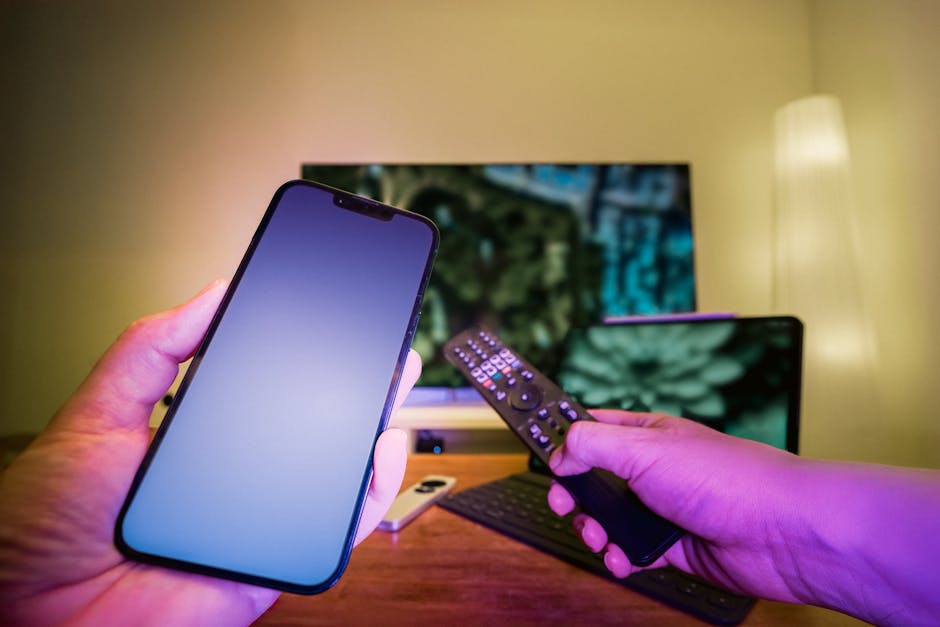
MRQ’s strength lies in their live gameplay systems. The app feels "live" because it’s optimized for low-latency updates. When you’re in a real-time gaming scenario, the difference between a sluggish interface and a responsive one is the difference between an immersive experience and a disconnected one. They seem to have prioritized "perceived performance"—even if the backend data is heavy, the visual feedback tells the user, "We are connected, we are live, and your input matters now."
Convenience as a Loyalty Driver
In my 11 years of writing for mobile, I’ve learned one immutable truth: convenience is the ultimate currency. If your app is the easiest thing to open on the bus, in a line at the coffee shop, or during a commercial break, you own that user’s attention.
MRQ has turned convenience into a retention strategy by focusing on:
Persistent Sessions: Avoiding the "logged out" frustration that plagues secure apps. They handle session timeouts with grace, not annoyance. Contextual Notifications: Using push notifications that provide actual utility (e.g., updates on active games) rather than generic, "Hey, come back and play!" spam that gets muted instantly. One-Tap Access: The ability to jump back into a favorite game within seconds, reducing the "time-to-fun" metric.When an app is this easy to access, it becomes part of the user’s mobile ecosystem rather than a chore to be opened. That is how you build long-term loyalty. It isn't just about the games; it’s about the fact that the app respects the user’s time.
The Verdict: Why It Works
The secret isn't a complex, over-engineered feature list. The secret is discipline. The developers behind the racinecountyeye MRQ mobile interface have clearly resisted the urge to cram every desktop widget into the app. They’ve likely had long, painful meetings where they decided to *cut* features rather than add them. That is the kind of product management I respect.
They’ve realized that the user doesn’t care about the sophisticated, multi-tiered backend architecture; they care that the app loads in under three seconds, the buttons hit where their thumbs are, and the fast account access means they can get to the fun part without jumping through hoops.
If you're building a mobile product, look at the MRQ mobile interface not as a template to copy, but as a standard to beat. Stop assuming your users want a desktop site on their phone. They don’t. They want a mobile-native experience that values their time, respects their environment, and delivers on the promise of instant interaction. Anything less than that, and you’re just one "uninstall" button away from being on my graveyard list.