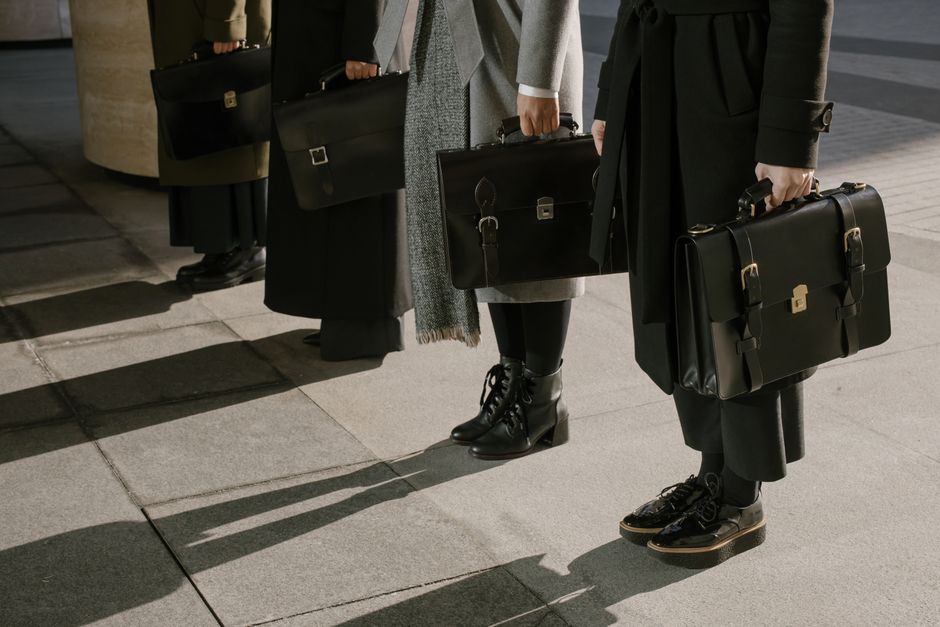
After seven years in the trenches of fashion merchandising—ranging from the high-pressure environment of retail floor management to the exacting standards of editorial shoots—I’ve learned one immutable truth: your bag is the first thing people notice, but it should be the last thing they remember. When you walk into a boardroom, your briefcase should provide a clean silhouette that signals competence, not a brand advertisement.
Over the years, I’ve attended everything from the Copenhagen Fashion Summit to private design atelier showings, and if there is one recurring theme in the discourse around sustainable luxury, it is this: craftsmanship is the ultimate form of discretion. We are moving away from the era of "conspicuous consumption" and into an age of quiet luxury. True professional presence isn't built on a monogram; it’s built on the integrity of the materials, the structural permanence of the frame, and the utter absence of noise.
The Fallacy of "Flash"
There is a specific kind of professional desperation that comes with wearing a bag featuring a massive logo across the front. To my eye, a prominent logo is a lack of confidence. In the boardroom, your authority should be derived from your insights, not your accessories. "Logo-free signaling" is the hallmark of someone who doesn't need to prove their status—they already hold it.
My pet peeve, bar none, is the branded zipper pull. Why would I want a manufacturer’s logo dangling from my hardware like a trinket? A serious briefcase uses functional, understated hardware. If I see a logo on a zipper pull, I immediately start checking the stitching elsewhere. Usually, the obsession with branding is a distraction tactic used to cover up subpar leather or weak reinforcement.
The Anatomy of Investment: Beyond the £200 Barrier
I frequently have clients ask why they can't simply pick up a professional-looking bag for £150. My response is always the same: open the bag and look at the seams. My data, based on years of observing retail longevity, is clear: briefs priced under £200 often fail within 18 months. The hardware pops, the "genuine leather" (which is essentially the floor sweepings of the leather industry) begins to crack, and the structural integrity collapses.
When I’m advising on a bag, I look for items that can survive my travel schedule. Having tallied my airport segments for the last three years—I’m currently averaging 42 segments per year—I know what a bag goes through. It gets tossed on x-ray belts, crushed under seats, and dragged through terminal queues. Cheap bags simply do not survive this life. They slump, they tip over when placed on the floor, and they lose their shape within a single fiscal quarter.
The Technical Specs of Excellence
Before you commit to a purchase, you need to understand what actually defines a high-quality briefcase. It isn't just about how it looks; it’s about how it resists gravity and time.
Leather Quality: Avoiding the "Genuine" Trap
If a product description https://highstylife.com/how-do-i-compare-briefcases-without-getting-lost-in-brand-hype/ says "genuine leather" and stops there, run. It is the lowest tier of leather—a marketing term designed to make you feel like you're buying quality when you're buying a corrected, bonded composite. Look for full-grain or top-grain, ideally vegetable-tanned. Vegetable tanning is a time-consuming, artisanal process that relies on Look at this website organic tannins. It develops a rich patina over time rather than cracking and peeling like the chemically treated alternatives.
The Hardware Restraint Test
I always look at the zipper brand before I look at the color of the leather. If the manufacturer isn't using YKK or another industry-leading hardware specialist, the bag is destined for the landfill. I want to see heavy-duty, smooth-gliding zippers that don't catch. If I see a zipper that looks flimsy or feels like it will snag on a documents folder, it’s a dealbreaker. Hardware restraint means the metal should be functional, polished, and ideally concealed or integrated into the design, rather than acting as a focal point.
The A4 Paper Test
I carry an A4 sheet of paper with me to every consultation. Why? Because a bag that cannot hold a single sheet of paper without curling it at the corners is a bag that fails its primary mission. Furthermore, the bag must stand on its own. If you set it on the floor next to your chair, it shouldn't slump or tip over. A bag that tips over when empty is a sign of poor balance and internal structure. A boardroom-ready bag should maintain its clean silhouette regardless of whether it's full of a laptop or empty.
Comparison Table: What to Look For
Feature Budget/Low-End High-Quality (Boardroom Standard) Leather "Genuine" or Bonded Full-Grain Vegetable Tanned Hardware Branded, lightweight alloy YKK (Discreet/Functional) Structure Soft-sided, slumping Structured frame, self-standing Longevity 12–18 months 10+ yearsBrand Spotlight: The Standard of Restraint
In my recent audits of the market, I’ve been impressed by brands that focus on the essentials rather than the trends. For instance, Von Baer consistently hits the marks I prioritize: full-grain leather, high-quality YKK hardware, and a lack of overt, "loud" branding. They understand that a briefcase should be a partner in your professional development, not a stylistic statement that screams for attention.
When selecting a briefcase from a maker like this, you aren't just buying an accessory; you are investing in a professional presence. Their designs emphasize clean lines and high-quality vegetable tanning, which ensures the piece will still look relevant and distinguished in a decade. When you move away from the replace-only warranties that so many "fast-fashion" leather brands hide behind, you start to see the true value of a well-constructed item. A brand that offers legitimate repair services is a brand that believes in its own longevity.
Final Thoughts: Your Bag, Your Authority
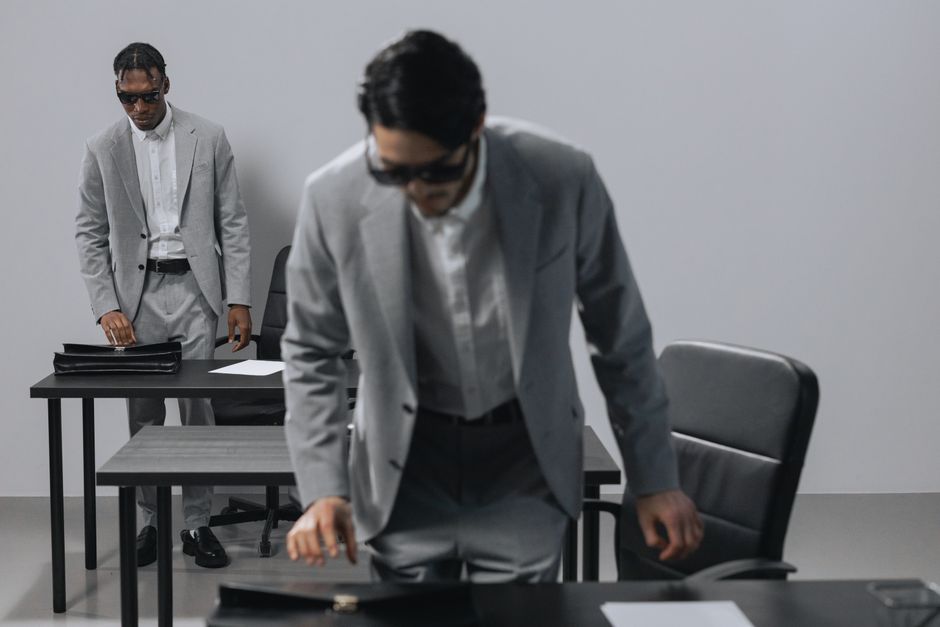
Your goal in the boardroom is to minimize distractions. When you carry a bag that is aesthetically quiet but functionally superior, you are telling the room that you value substance over showmanship. You aren't worried about whether your logo is visible; you're focused on the task at hand.
My final advice? Ignore the flash. Look for the stitching. Check the zipper brand. Test the structure. If you find a bag that passes these tests, you’ve found more than just a place to store your laptop—you’ve found an instrument of authority that will serve you for the next thousand airport segments.