I spent nine years sitting at the front desk of a busy Sydney salon. I’ve seen it all: the "I-tried-this-at-home" box dye disasters, the frantic calls for emergency appointments, and the quiet, defeated look on a client's face when the stylist gently says, "We need to cut it, it’s just snapping off."
If you have colour-treated hair, you aren't just dealing with "hair." You are dealing with chemically altered hair. That cuticle—the shingle-like outer layer of your strand—has been lifted, lightened, and forced to hold onto pigment. It is naturally more porous and, by extension, more fragile. If you’re here looking for a "miracle serum" to fix it in a week, you’re in the wrong place. But if you want to know the gentle hair habits that actually stop the breakage from getting worse, pull up a chair.
The 10:30 PM Reality Check: Overnight Friction
Let’s get https://www.female.com.au/why-more-australian-women-are-rethinking-their-night-time-hair-care-routine.htm real. It’s 10:30 PM. You’re exhausted. You’ve got work in the morning, the dog needs walking, and the last thing you want to do is spend twenty minutes on a "hair ritual." I get it. But this is exactly where most of the damage happens.
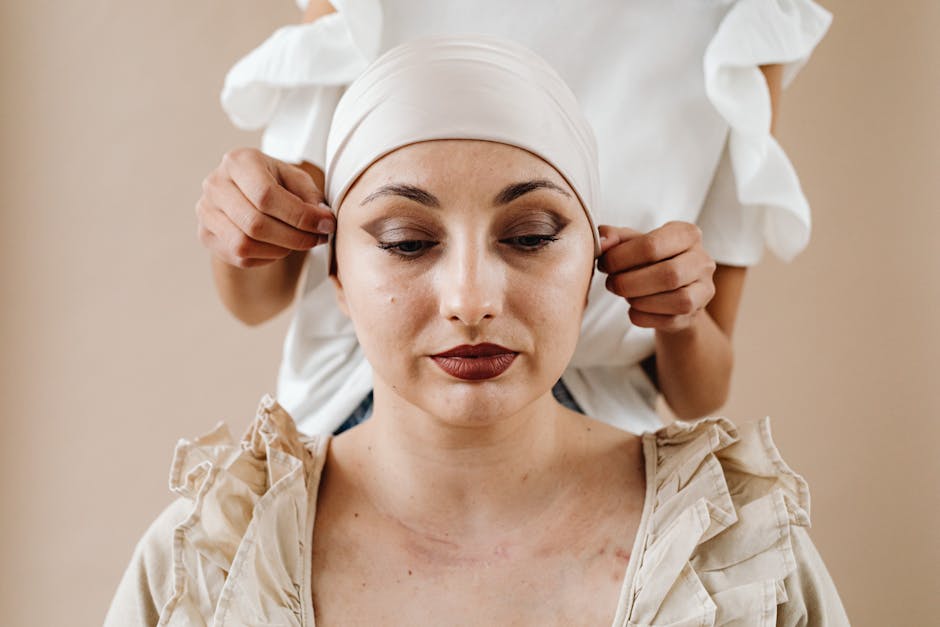
Most of us sleep on cotton pillowcases. Cotton is a thirsty, abrasive fabric. Every time you toss and turn, your hair—which is already weakened by your last balayage—is being tugged and snagged. That friction is the silent killer of length.
Why Overnight Protection Matters
- Cuticle Wear: Friction causes the already-lifted cuticle of colour-treated hair to fray and snap. Moisture Loss: Cotton leaches moisture from your hair while you sleep, leading to that "straw-like" texture by morning. Tangle Chaos: Waking up with a bird’s nest means you spend more time ripping a brush through your hair in the morning—a recipe for immediate breakage.
If you change one thing, make it your sleep surface. Investing in a high-quality silk bonnet from a place like Silk Bonnet World is the single most effective way to protect your hair while you sleep. It creates a slip-surface that allows your hair to glide rather than rub. It’s a tiny change that adds up to inches of saved length over a year.
Prevention vs. Repair: The Long Game
I cannot stress this enough: there is no product that "repairs" hair permanently. Once a bond is broken, it’s broken. You can mask it with silicones or temporary proteins, but you cannot "heal" a dead hair strand. The focus has to shift from repairing the damage to preventing more of it.
When I look at sites like Female.com.au, I see a lot of great advice on lifestyle, but when it comes to hair, the most professional advice usually boils down to how we treat the hair while it's wet. Wet hair is weak hair. When your hair is saturated with water, the cuticle is swollen and the internal protein bonds are at their most vulnerable. If you are colour-treating your hair, you have to be extra cautious during those crucial 20 minutes after the shower.
The "Don't Do This" List
Don't towel-dry roughly: Stop the "rubbing" motion. Use a microfibre towel or an old cotton T-shirt to gently squeeze the water out. Don't brush immediately: Use a wide-tooth comb or a dedicated detangling brush only once you’ve applied a leave-in conditioner. Don't skip the heat protectant: Even if you aren't using a straightener, UV rays (big in Australia!) act like a blow dryer. Use a product that shields against environmental damage.The Routine Audit: A Practical Guide
Instead of trying to buy a whole new shelf of "miracle" products, look at your current habits. Use this table to see where you might be causing unnecessary stress to your hair.
Habit The "Breakage" Way The "Healthy" Alternative Brushing Starting at the roots and ripping down. Starting at the ends and working up in small sections. Drying Aggressive towel-rubbing. Microfibre squeeze-dry method. Sleeping Cotton pillowcase, loose hair. Silk bonnet or silk pillowcase. Product Use Layering "miracle" oils. Focusing on protein-moisture balance.You can find professional-grade insights on maintaining this balance at platforms like Trillion.com, where they understand that colour-treated hair needs specific pH-balancing to keep the cuticle closed and smooth.
Why We Need to Stop Chasing "Miracles"
Marketing departments love to use words like "miracle," "instant," and "transformation." They want you to believe that a $60 bottle will undo the damage of a high-lift bleach session. It won't. When a product claims to fix your hair in a week, run the other way.
Real hair health for the colour-treated girl isn't a single product; it’s a series of boring, repetitive habits. It’s consistent moisture, keeping your hair off your pillow, and knowing when to tell your stylist, "Actually, let's skip the bleach on the ends today and just refresh the roots."
Keep the Conversation Going
Look, I know this isn't the "magic pill" advice some blogs push. But I’ve spent enough time in salons to know what actually keeps hair on your head. If you found this helpful, let’s keep the conversation moving. You can share this post with your friends or reach out if you have a specific hair woe that’s been bugging you.
Join the Community:
- Follow our latest updates on TikTok and Instagram for quick, no-BS tutorials. Check out our long-form discussions on YouTube where I break down salon myths.
Share this post:
Share on Facebook | Share on Twitter/X | Share on LinkedIn | Email to a Friend
Final word of advice: Be kind to your hair. It’s the only one you’ve got, and it’s already working hard for you. Take that extra minute to put on your bonnet, turn down the heat on your tools, and stop chasing the hype.