Let’s be honest: by 10:30 pm, most of us are hovering between "I should probably brush my teeth" and "I’m just going to fall asleep in my jeans." As a former salon receptionist, I’ve spent nine years listening to clients complain about hair that’s "dry," "broken," or "just plain dull." When I’d ask what they do to protect it at night, the answer was almost always, "I just collapse into bed."
I get it. You don’t need another "miracle" product that promises to fix your split ends while you dream. You need a bedtime self-care routine that’s actually achievable. If you’re tired of waking up with bird’s nest tangles and frizz that requires an act of God to smooth out, let's talk about the simple, consistent nightly habits that actually move the needle.
Why Night-Time Hair Care is Your Best Defence
Most of us focus on what we put on our hair—expensive masks, serums, and oils. But we ignore the eight hours where our hair is subjected to a literal wrestling match with our pillowcases. Think about it: you toss, you turn, and your hair rubs against cotton fibres that act like tiny pieces of sandpaper. Over time, that https://technivorz.com/how-to-stop-waking-up-with-frizzy-hair-a-sydney-beauty-editors-guide/ friction lifts the cuticle. Once the cuticle is lifted, moisture leaks out, and the hair becomes brittle.
This isn't about "repairing" hair—because, let’s be real, you can’t fully repair a split end. This is about preventative hair care. If you stop the damage before it happens, you don’t need to spend $80 on a "damage reversal" treatment every month. It’s the beauty equivalent of locking your front door instead of fixing a broken window.
The Physics of Friction and Moisture Loss
Your hair loses moisture while you sleep. The dry air in our bedrooms (especially if you run the air-con or heater) pulls hydration straight out of the hair shaft. Couple that with cotton or synthetic pillowcases, and you’re essentially vacuum-sealing your hair into a state of dehydration.. Pretty simple.
If you want to read more about the science of hair health from a local perspective, I always point people toward Female.com.au. They’ve been doing the heavy lifting on Australian beauty standards for years, and they actually understand that we want results, not just marketing fluff.
The Three Pillars of a Consistent Nightly Habit
You don't need to spend an hour in the bathroom before bed. In fact, if your routine takes more than three minutes, you won't do it. Here are the three pillars of a sustainable, consistent nightly habit:
1. Containment is King
If you have long, curly, or bleached hair, you need to stop it from moving. When your hair is loose, it rubs against your sheets. A silk bonnet is the ultimate "tiny change" that adds up to massive results. I’ve recommended Silk Bonnet World (silkbonnetworld.com.au) to hundreds of clients because their materials actually reduce the friction coefficient significantly. It’s not about looking fancy; it’s about keeping your hair shielded from the rough texture of standard bedding.
2. Prep the Ends
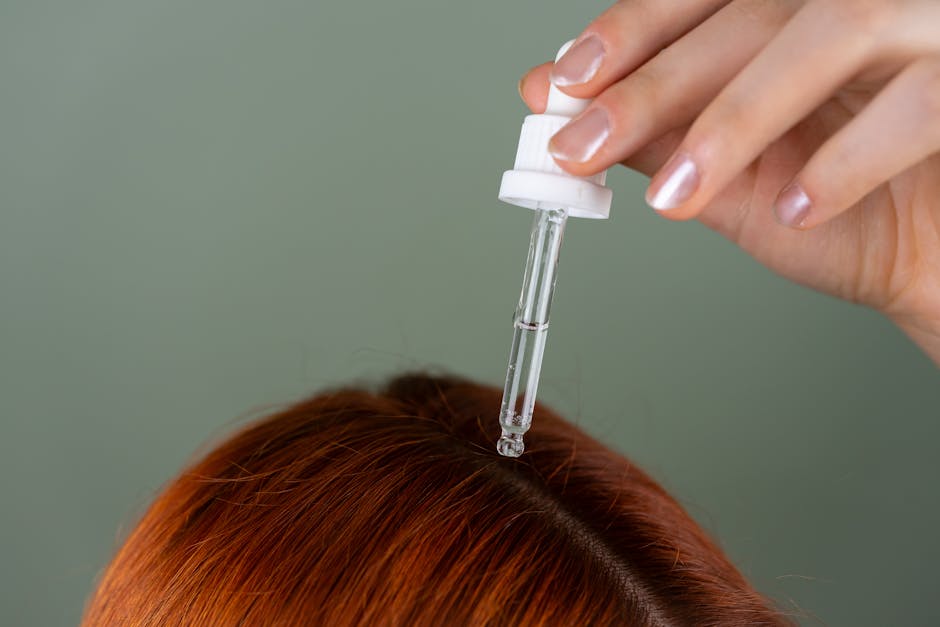
Your ends are the oldest, driest part of your hair. They need a little extra love. A tiny amount of hair oil—and I mean tiny, like a pea-sized drop—applied only to the ends can act as a barrier against moisture loss. Don't slather your scalp; just seal the tips.
3. Ditch the Tight Elastics
Want to know something interesting? if you pull your hair up to sleep, stop using those nasty, snaggy elastic bands. Use a loose silk scrunchie. If you’re looking for quality hair tools that don't pull or break your strands, Trillion.com has a range of accessories that are actually designed with hair health in mind, rather than just aesthetics.
Nightly Hair Care Strategy by Hair Type
Not all hair behaves the same way at 2:00 am. Use this table to figure out your baseline strategy.
Hair Type Primary Night-Time Concern Recommended Habit Fine & Straight Breakage at the nape Loose silk scrunchie, sleep on silk Curly/Coily Loss of pattern/Frizz Silk bonnet or "pineapple" technique Chemically Treated Moisture loss/Dryness Light oiling + protective bonnet Short/Pixie Bedhead/Cowlicks Silk pillowcase (no bonnet needed)
How to Make This Habit Stick (The "10:30 pm Check")
Look, I know what it’s like to be exhausted. I've seen this play out countless times: was shocked by the final bill.. If you’re standing in your bathroom at 10:30 pm and you don’t have the energy to braid your hair or oil your ends, that is fine. The goal is consistency, not perfection. If you only manage to slip on your silk bonnet three nights a week, you are still ahead of the version of you that didn’t do it at all.
The "tiny changes" philosophy works because it’s low-friction. Don’t aim for a ten-step nightly beauty ritual. Aim for one protective tool and a consistent bedtime routine. That’s it.
Share Your Routine
Are you currently struggling with breakage or dryness? I’d love to hear what you’re trying. If you found this helpful, feel free to share it with your friends or tag us on your favourite platform:
- Post a snap of your silk bonnet on Instagram or TikTok and tag us so we can see your protective style! Share this guide on Facebook or Twitter/X for those friends who are still waking up with "lion’s mane" hair. Send it via email to your group chat. Connect with us on LinkedIn if you’re interested in more practical, no-nonsense beauty industry insights.
Frequently Asked Questions (Real Talk)
"Do I really need a silk bonnet, or is a silk pillowcase enough?"
A silk pillowcase is the entry-level move. It’s better than cotton, absolutely. But a bonnet (like the ones from Silk Bonnet World) keeps your hair contained in one spot, which eliminates the friction entirely. If you move around a lot in your sleep, a bonnet is the superior choice.
"Will oiling my hair every night make it greasy?"
Only if you use too much or apply it to the scalp. Use a light oil—like argan or jojoba—and focus exclusively on the bottom two inches of your hair. Your scalp creates enough natural oils; your ends do not.
"Is this just hype to get me to buy expensive tools?"
Look, I’ve worked behind a salon reception desk for nearly a decade. I’ve seen the marketing hype cycle come and go. Investing in one good silk bonnet is cheaper than a single mid-range salon treatment you’re paying for because your hair is damaged from daily breakage. This is about spending your money once on something that lasts, rather than constantly chasing "miracle" products that wash down the drain.
Final Thoughts
Building a night-time hair care routine isn't about protective hairstyles for long hair vanity. It’s about respecting the time and money you already spend on your hair during the day. By protecting your hair while you sleep, you're essentially buying yourself more time between salon visits and keeping your hair stronger for longer.

Keep it simple. Keep it consistent. And for heaven’s sake, get a silk bonnet. Your future self—the one who doesn't have to spend twenty minutes detangling every morning—will thank you.
Stay grounded, and don't let the beauty industry buzzwords fool you. You know what your hair needs better than a glossy ad does.