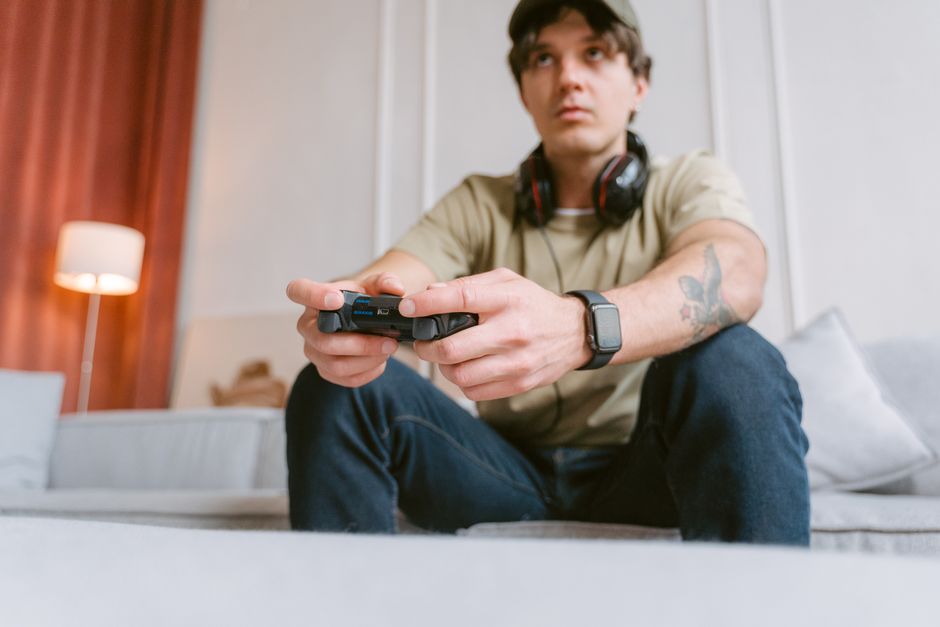
I sat down at 11:30 PM last night, finally getting some time to myself after putting the three kids to bed. My sleep log shows that for every hour of gaming I get after 11:00 PM, my deep sleep cycle drops by about 12 percent the next morning. It’s a trade-off I make more often than I should, but it’s part of the reality of being a hobbyist gamer in your mid-thirties. Over the last decade, I’ve watched how we talk about these games evolve from grainy forum posts on static websites to the chaotic, hyper-fast, and deeply social landscape we live in today.
It’s easy for industry analysts to throw around buzzwords about “engagement loops” and “ecosystem expansion,” but what does this actually change for normal players? Does it make our hobby better, or just louder? Let’s take a look at how social media integration has fundamentally altered the way we discuss, discover, and play games.
The Shift from Magazines to the Feed
Back when I was starting out, you’d wait a month for a print magazine to tell you if a game was worth your sixty dollars. Today, social media integration has stripped away that barrier. You don't need a professional review; you have a direct line to thousands of players the second a game hits the storefront. While this provides more transparency, it also creates an overwhelming wave of "online trends" that can pressure players into feeling like they’re missing out if they aren’t playing the "it" game of the week.
For the average parent or busy professional, this is a mixed bag. On one hand, you get honest feedback from people who aren't on a publisher's payroll. On the other, the discourse is often poisoned by "rage-baiting" or the obsession with viral moments rather than the actual quality of the game’s mechanics or storytelling.
The Rise of the Creator Ecosystem
We need to talk about the influence of real-time broadcast platforms. These sites have become the new television, and the people hosting these streams are the new arbiters of taste. I’ve seen games go from unknown indie projects to household names overnight simply because a popular creator started playing them.
But again, what does this change for normal players?
- Accessibility: You no longer need to spend thousands on high-end hardware. Because of streaming, you can watch a game in its entirety before deciding if it fits your taste. The "Main Character" Syndrome: Sometimes, the way a game is played for an audience is completely different from how you would play it alone. Watching someone master a game for thousands of viewers can make a normal player feel inadequate, even though their experience in the single-player campaign is perfectly valid. Creator-Led Communities: It forces us to pick "tribes." If your favorite creator loves a title, you’re often expected to defend it in the comments section.
I find it annoying when people conflate this professionalized "creator" scene with the entirety of gaming. Most of us just want to clear a level after the kids are asleep, not build a career out of it or participate in the competitive, high-stakes environments that these streamers often cultivate. Gaming isn't just esports; it's a way to decompress.
Cloud Gaming: Removing the Barrier to Entry
One of the biggest technological shifts—and I’m not talking about the vague "next-gen" promises—is the emergence of remote, browser-based gaming services. You know the ones: where the hardware lives in a server rack somewhere else, and you’re just streaming the visuals to your tablet or older laptop.
This has changed the demographics of who we discuss games with. It’s no longer just the people who can afford a $500 console or a $2,000 PC. Now, a person playing on a five-year-old laptop https://thehake.com/2026/05/modern-gaming-culture-extends-far-beyond-competitive-play/ has as much access to the library as anyone else. This has democratized the conversation, but it also creates a divide: do those who play on mobile devices using these services experience the game the same way as someone playing on a dedicated machine? The lag, the compression artifacts—these are real, technical factors that affect the "normal player" experience, often glossed over by marketing teams.
Discord and the Return of the "Living Room"
While Twitter (or X, if you prefer) is for shouting into the void, Discord has become the modern-day equivalent of the local arcade or the living room carpet. It’s where community-based play happens now. If you want to know if a game is worth your time, you join a specific server. The conversation is more focused, and usually, less toxic than the broad, algorithm-driven social media platforms.
This is where the "social media integration" actually works well. Being able to see what your specific group of friends is playing, sharing screenshots instantly, and organizing a raid in five minutes flat is a huge improvement over the matchmaking systems of the early 2000s.
The Comparison: Then vs. Now
Feature The "Old" Way (2005) The Social Media Age (2024) Discovery Print mags, word-of-mouth Algorithms, viral clips Feedback Formal reviews, forums Instant social comments, stream chat Community Local, in-person Discord servers, global groups Accessibility Hardware-locked Cloud-based, mobile-friendlyA Note on Health and Reality
I see a lot of people online claiming that gaming "improves cognitive function" or "reduces anxiety" as if it’s a medically proven cure-all. Look, I love games. But we need to be careful about making health claims without citing actual clinicians or peer-reviewed studies.
As someone who tracks their sleep quality to ensure I can be a functional parent the next morning, I can tell you that gaming *can* affect your rest, your posture, and your eye strain. Pretending that gaming is always "self-care" ignores the reality of the burnout that comes from excessive "grinding" or chasing online trends. It’s a hobby, not a prescription. Keep it balanced.
Conclusion: Stay Grounded
So, how has social media actually changed the way we talk about games? It has made the conversation faster, louder, and more democratic. We have access to more information than ever before, which is generally a good thing. But for the "normal player"—the one with a job, a mortgage, or kids—it also demands more of our mental bandwidth.
We are constantly bombarded with opinions on what we *should* be playing, how we *should* be playing it, and who we *should* be watching. My advice? Turn off the notifications for the trending hashtags. Join a small Discord community of friends who actually care about your life, not just your stats. And remember, at the end of the day, it doesn't matter what the "online trend" says. If the game helps you unwind after a long day of juggling life’s responsibilities, it’s a good game.

Now, if you’ll excuse me, I’m going to go check my sleep quality log from last night. Hopefully, the extra hour I got isn't completely offset by my desire to jump back into that world-building game I just started.