Quality is one of those words tossed around so often that it sometimes loses meaning—especially when tech jargon sneaks in and turns a simple concept into a confusing mess. If you want to explain quality clearly, especially around things like watches, apps, or even casinos, you don’t need to rely on fancy terms Discover more here or buzzwords. Instead, focus on everyday examples and simple signals that anyone can understand.
Drawing from my 12 years of experience with pre-owned luxury watches and guiding first-time buyers, plus insights from brands and platforms like The Watch Company (TWC Japan), Rolex, Omega, and even the MrQ mobile platform—a well-built mobile casino—you’ll see quality is less about flashy specs and more about thoughtful decisions that make a real difference day to day.
Quality Is Craftsmanship Beyond Function
Let’s start with watches, a field where quality is often misunderstood. Everyone sees a watch and recognizes that it tells time. But true quality goes beyond just “working.” It’s about how it works, feels, and fits into your life.
Take Rolex and Omega for example. While many associate them with prestige, what is swiss watchmaking the real quality comes from deliberate craftsmanship choices:
- The crown’s feel: When you set the time, the crown shouldn’t be stiff or loose. Its smooth resistance and reassuring click demonstrate care in design and assembly. Bracelet balance: A watch bracelet that drags or pulls unevenly makes your wrist tired—no matter how pretty it looks. Brands that nail quality ensure the bracelet distributes weight evenly and flexes comfortably.
These small touches change how you interact with the watch every day, making it more than a timepiece but a companion that endures daily life.
Craftsmanship Is a Chain of Small Decisions
Quality isn’t a single feature; it’s a chain of thoughtful choices. At The Watch Company (TWC Japan), their TWC Blog often highlights how upstream choices, like selecting better materials or refining assembly processes, funnel down into a sturdier, more reliable product.
For example:
Design teams obsess over how the watch sits on the wrist—not just how it looks in a catalog. Manufacturing includes rigorous quality control, catching misaligned parts that might go unnoticed yet cause long-term issues. Finishing touches like polishing that avoid sharp edges improve comfort and wearability.All these aren’t “features,” but they shape a watch’s day-to-day experience and long-term durability.
Upstream Quality Work: From Design to QC
Quality begins well before a product reaches your hands. “Built to last” is a hollow tagline unless you explain what happens upstream. At TWC Japan, quality control isn’t just an inspection stage; it’s a mindset ingrained in design and manufacturing:
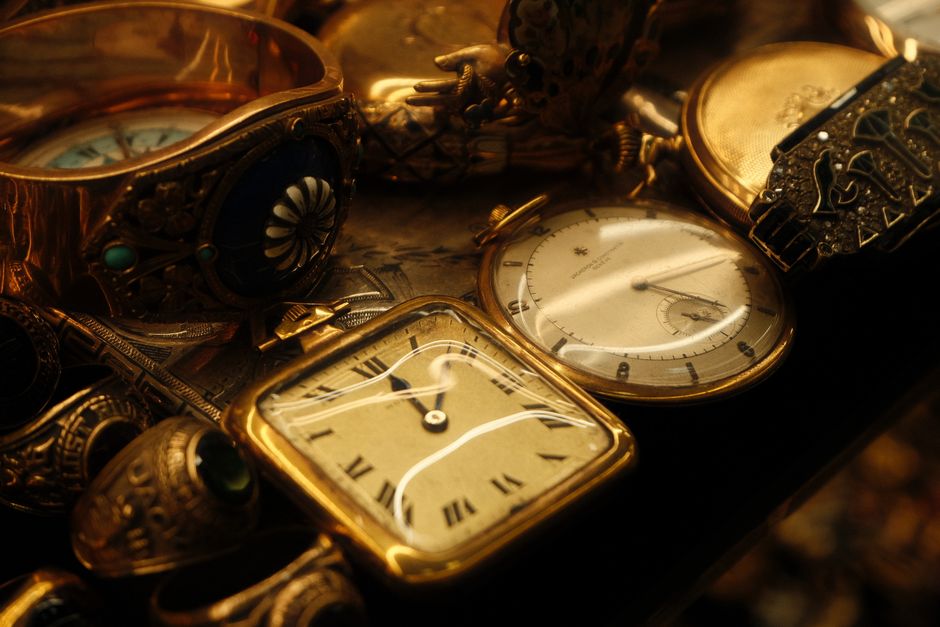
- Designers anticipate wear patterns and stress points, so they choose materials and shapes that will age well with use. Engineers ensure components snap together precisely, so parts don't loosen or break prematurely. QC specialists don’t just check if a watch runs but also look for subtle inconsistencies that affect performance or feel.
This attention before the product leaves the factory is what separates a true luxury watch from a “nice-looking gadget.” Similarly, when I test digital platforms like the MrQ mobile platform, I’m not impressed by the interface alone but by how seamlessly the app loads, how few errors there are, and whether the experience remains smooth even under strain.
Reliability and Long-Term Value
People often confuse “quality” with “investment.” I prefer to talk about long-term value—how a product stays reliable and functional through years of daily use.
Rolex and Omega watches have a reputation for this, but it’s not magic. It’s consistent quality in small details:

- Seals and gaskets preventing water and dust intrusion Movement parts designed and finished to reduce friction so the watch keeps accurate time longer Hard-wearing surface treatments that minimize scratches and dents
If a watch is reliable day in and day out, it naturally holds value better. The same principle applies to the MrQ mobile platform: reliable payouts, fast loading, and a transparent game system give users confidence, often more than flashy graphics or bonus offers.
Invisible Details That Change the User Experience
Sometimes quality is invisible until something goes wrong. These subtle signs often tell more than marketing claims ever could:
- How a clasp snaps securely—but releases easily The quiet hum of a movement instead of a rattling noise Consistent tactile feedback when pressing buttons or winding a crown In an app, minimal lag and logical menu flows instead of confusing layers
At The Watch Company (TWC Japan), we always remind watch buyers not to overlook these simple signals because they define quality. If you can feel or sense those details immediately, you know the product was made with care, not rushed or cut corners.
Everyday Examples to Explain Quality
If you’re trying to explain quality to someone unfamiliar with industry terms, these everyday examples help:
Product Type Quality Signal What It Means Watch (e.g., Rolex, Omega) Smooth, clicky crown & well-balanced bracelet Design and assembly are precise, so it operates reliably and feels good daily Mobile App (e.g., MrQ platform) Fast load times and error-free operation Good backend architecture and quality control ensure consistent user experience Clothing Even stitching and reinforced seams Thoughtful manufacturing choices prevent early wear and tear Kitchen Knife Sharp edge holds longer and handle feels balanced Material quality and design decisions optimize performance and comfortWrapping Up: Build Your Quality Vocabulary with Simple Signals
The trick to explaining quality without technobabble? Talk about what you can see, touch, and feel. Highlight the upstream effort from design through quality control that makes products reliable and pleasant to use. Use simple, concrete examples from everyday life—like the feel of a watch’s crown or the smoothness of an app’s interface.
Brands like The Watch Company (TWC Japan), Rolex, and Omega exemplify quality through these many small decisions rather than relying on buzzwords like “built to last” without context. The same applies to modern platforms like MrQ mobile, where reliability means consistent, frustration-free entertainment.
Next time someone asks you “What makes quality?” skip the jargon. Instead, point to those simple signals everyone can understand—it’s what truly separates a well-crafted product from the rest.