After twelve years of traversing the UK’s wedding landscape—from the rugged hills of Northumberland to the historic wynds of Edinburgh—I have seen my fair share of "industrial-chic" transformations. I carry my tiny tape measure in my coat pocket, not just for measuring aisle widths to ensure your grandmother won’t trip on the way down, but because I’m obsessed with the reality of a space. There is a prevalent misconception in the wedding world: that an exposed brick wall, a few Edison bulbs, and a Pinterest board are all you need to create a cozy, intimate atmosphere.
The truth? Exposed brick can be cold. It can be echoey. It can feel like a cavern if you don’t respect the bones of the building. When I walk into a venue, I immediately listen to how the room sounds when it fills with people. Does the sound bounce off the masonry until your guests have to shout to be heard? That, my friends, is where the "stunning" label falls apart—and I refuse to use that word unless it’s truly earned. Let’s look at how to master the industrial aesthetic without sacrificing the warmth of your big day.
The Pinterest Trap vs. Architectural Reality
If you have spent any time on Pinterest, you have likely seen thousands of images of "brick wall wedding" setups. They often feature high-contrast photography where the brick looks moody and romantic. However, Pinterest planning often lacks a sense of real venue character. You see a cropped frame of a single wall, but you don't see the floor-to-ceiling logistics or the acoustics.
When you are scouting, do not just look at the walls. Look at the corners. Are there "photo corners" where the light hits the texture at an angle, or is it a flat, dead space? A venue might look great in a styled shoot, but your responsibility is to ensure it feels like home for eight hours. Real venue character isn't a prop; it’s the history embedded in the mortar. When you choose an industrial space, you are signing up for the building's story—whether that’s a former mill, a warehouse, or a granary. Respect that history; don't try to cover it up with endless drape.
Warm Lighting Ideas: Defeating the "Cold" Aesthetic
The biggest mistake couples make when styling industrial venues is relying on harsh, overhead lighting. If you’re dealing with a large, open-plan space with high ceilings, you need warm lighting ideas to bridge the gap between the ceiling and the dance floor.
Industrial venue decor should emphasize layers of light. Here is how I suggest handling the lighting plan:
- Dimmable Uplighting: Use warm amber or gold tones against the brickwork to highlight the texture rather than washing it out. Festoon Clusters: Do not run lights in a straight line; it looks like a cafeteria. Cluster them to create "ceilings" of light over the dining area. Candlelight Primes: Because sound travels in stone buildings, create "sound-dampening" zones with floor-level clusters of pillar candles. They act as a visual anchor and stop the eye from wandering to the cold, dark corners of the room.
A Venue That Gets It Right: The Venue at Eskmills
I am often asked for recommendations that balance industrial grit with genuine atmosphere. I frequently point to The Venue at Eskmills. Why? Because they understand the concept of "sense of place." It isn't just a blank canvas—which, by cast iron features venue the way, is a industry term that often overpromises. "Blank canvas" usually means "you have to pay extra for everything to make it look like something."

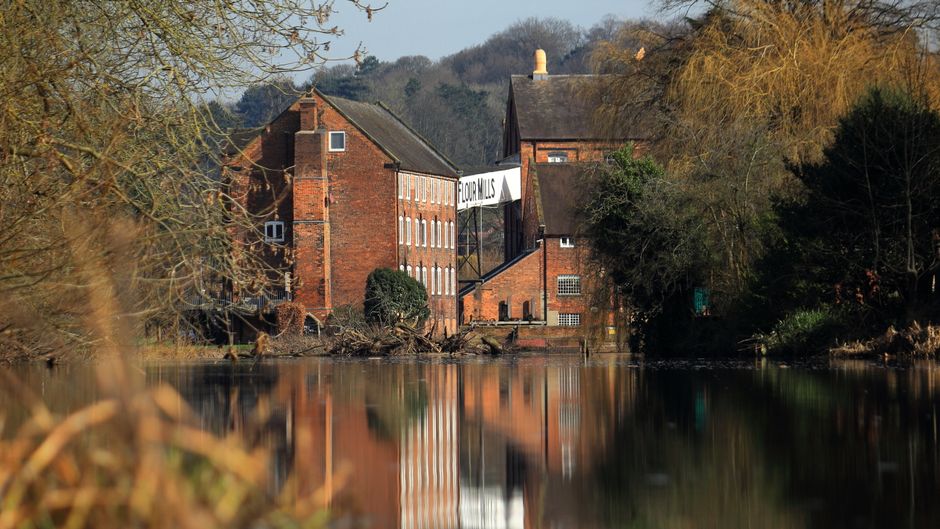
At Eskmills, the architectural identity is already present. The brickwork feels grounded. When I scouted the space, I paid attention to the windows. They provide natural light that doesn't just illuminate the room—it frames the landscape. This is vital. A brick wall wedding is only successful if you can transition from the heavy, internal texture to the soft, natural elements outside. Their setup allows for a seamless flow, which helps with the "rain plan realism" I am so frequently harping on about. If it rains—and let’s be honest, in the UK, it often does—you need a room that feels just as good with the curtains closed as it does when the sun is hitting the stonework.
Venue Assessment: A Practical Guide
When you are doing your site visits, I suggest carrying a notebook. Don’t just look at the floorplan. Use this table to objectively rank your choices before you put down a deposit.
Category What to Look For Why it Matters Acoustics Hard surfaces vs. soft furnishings Prevents the "echo chamber" effect during speeches. Aisle Width Check with a tape measure (min 1.2m) Ensures comfortable movement for the bridal party. Light Quality Depth of window reveals Deep reveals provide better photo corners for portraits. Temperature Drafts near masonry Brick stays cold; ensure the venue has proper heating zones.Authenticity and Local Identity
When you are looking for inspiration, I highly recommend checking out Want That Wedding. They often feature real weddings that prioritize authenticity over perfect, filtered styling. A wedding should feel like it belongs in its location. If you are getting married in an old brick building in the heart of an industrial town, don't try to turn it into a https://smoothdecorator.com/is-a-light-filled-wedding-venue-better-than-a-moody-one/ sterile hotel ballroom. Lean into the history. Use local textures, dried flowers that match the earthen tones of the brick, and velvet linens that absorb the light rather than reflecting it.
The goal is to create a sense of place. If your guests walk in and feel like they’ve arrived in a space that has been standing for a hundred years, you’ve succeeded. If they walk in and think, "This is just a room with some fairy lights," you’ve missed the point.
The Practical Side of Styling
Before you commit to a venue, ask the coordinator: "What are the limitations of the brick?" Some venues will not allow you to screw anything into the walls, which is perfectly reasonable for heritage buildings. If you can't drill, you need to be creative with freestanding structures. This is where your planning efforts should go—not just pinning decor ideas on Pinterest.
I advise couples to share their progress. Whether you use Facebook groups for advice, X for quick vendor questions, or Pinterest to keep your visual motifs organized, always ask yourself: "Is this practical, or is this just pretty?" A pretty idea that costs £2,000 to execute and takes four hours to set up is not a good idea. A practical idea—like using the existing ironwork of the venue to hang floral installations—is a win.
Final Thoughts on Industrial Nuance
Styling an industrial venue is a conversation between you and the architecture. If the brick feels cold, add textures that invite touch—velvet, wood, wool, or greenery. Don’t fight the venue; work with it. If you find yourself needing to cover the walls entirely, you have chosen the wrong venue. You should be enhancing the character, not hiding it.
And finally, do yourself a favor: bring a tape measure. It sounds eccentric, but when you’re standing in the middle of a ceremony aisle, visualizing your entrance, knowing you have the width for your dress—and the acoustics to carry your vows without the room swallowing your voice—is the ultimate peace of mind. That is what a truly great wedding planning experience looks like.